
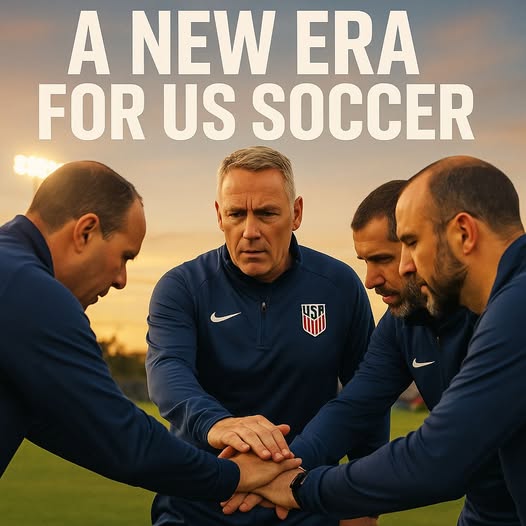
Trump’s Vision: America’s Quest for the World Cup by 2042
For decades, the United States has dreamed of transforming itself into a global powerhouse in men’s soccer. The women’s game has long set the standard, dominating world tournaments with relentless excellence. But in Donald Trump’s vision, the men’s side will not only catch up—they will win the FIFA World Cup Jules Rimet Trophy by 2038 or 2042 at the latest.
Trump has never been shy about bold declarations. His vision rests on three key pillars: investment in resources, cultivation of skill sets, and the promise of American exceptionalism applied to the world’s game.
1. Investment in Resources
Trump has argued that greatness in sport, like greatness in industry, comes from infrastructure. He imagines a nationwide soccer boom driven by investment in elite training centers, state-of-the-art stadiums, and grassroots programs that reach every corner of the country. The vision sees government, private industry, and wealthy benefactors collaborating to provide American youth with the same opportunities enjoyed by their peers in Brazil, France, and Spain.
2. Cultivation of Skill Sets
For too long, critics argue, American soccer has been about fitness and athleticism more than artistry. Trump’s rhetoric pushes for a cultural shift—one in which U.S. players master the technical subtleties of the game, develop tactical sophistication, and adopt the creative flair of global icons. To achieve this, international partnerships, coaching exchanges, and scouting networks would be prioritized, ensuring that young Americans grow up with both discipline and daring.
3. American Exceptionalism on the Pitch
At the heart of Trump’s vision is belief in the American spirit. Just as the nation built industries, waged wars, and explored the stars, he frames the conquest of the soccer world as inevitable if the United States commits fully. Winning the World Cup by 2038 or 2042 becomes not just a sporting target, but a symbolic demonstration of America’s capacity to lead on the most global stage.
Challenges Ahead
Skeptics question whether infrastructure and rhetoric alone can close the gap with nations where soccer is a way of life. Developing world-class players requires more than money—it demands a cultural embrace of the game, patience in nurturing youth, and long-term strategic planning that transcends administrations.
A Bold Promise
Regardless of one’s views of Trump, the scale of his ambition sparks debate. Could America rise to the pinnacle of soccer within two decades? If so, it would represent one of the most dramatic transformations in sporting history.
What is certain is that the dream of lifting the Jules Rimet Trophy has taken root in American imagination. Whether Trump’s prediction proves accurate or aspirational, it underscores a nation’s growing hunger to compete at the highest level of the world’s most beloved sport.