
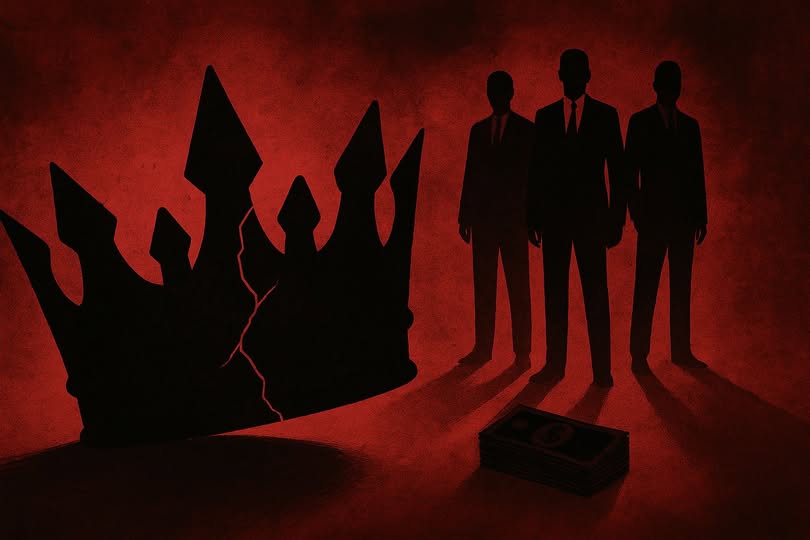
The Double Standards of Steve Rumbelow: Rochdale’s Quiet Power Broker
When Steve Rumbelow arrived at Rochdale Borough Council in 2014, he was hailed as the man to steady a battered ship. A decade on, he leaves with regeneration projects, business parks and shiny PR campaigns to his name. To the casual observer, his tenure looks like a success story.
Scratch the surface, though, and a different picture emerges. Behind the glossy brochures and civic ribbon-cuttings lies a culture of double standards, where power was shielded and ordinary people were often targeted.
The Public Face
Rumbelow came with credentials. As Chief Executive of Burnley Council, he had overseen economic strategies and won plaudits for his managerial approach. In Rochdale, he presided over the multimillion-pound Riverside retail scheme, the Kingsway Business Park expansion and the restoration of the town hall.
The press was often favourable. Local business leaders lined up as “ambassadors” for the town, while the council PR machine touted his links to Greater Manchester’s combined authority. On paper, he was a regional heavyweight, shaping planning, housing and infrastructure strategy across the North West.
Double Standards at the Top
But insiders tell a different story. Under Rumbelow’s leadership, Rochdale Council gained a reputation for selective accountability. Decisions that benefited well-connected players were quietly waved through, while inconvenient complaints were buried in bureaucracy.
Council critics argue that Rumbelow perfected the art of shielding the powerful while tightening the screws on those with least protection. Staff who raised concerns about malpractice found themselves isolated. Residents who challenged the council often faced aggressive rebuttals rather than dialogue.
The pattern is familiar in town halls across Britain—but in Rochdale, already scarred by historic failures of governance, it carried extra weight. For many, it felt like a betrayal of promises to clean house.
Targeting the Innocent
Accounts from those on the receiving end describe a regime that could turn punitive. Ordinary residents who fell foul of council systems found little sympathy at the top. In some cases, people allege that heavy-handed enforcement was pursued even where compassion or discretion would have been appropriate.
Meanwhile, allegations involving politically sensitive figures or council allies rarely saw daylight. The council’s official line was always one of fairness, but the lived experience for many locals was the opposite.
The Consequences
The result is a town where regeneration projects tower over growing distrust in civic leadership. While millions were spent on concrete and glass, ordinary people—those who most depend on fair governance—felt ignored, silenced or targeted.
The irony is stark: a leader celebrated for bringing “stability” presided over years in which trust in Rochdale’s institutions remained fragile at best. For whistleblowers and residents, the council’s message was clear—question the system at your peril.
Why It Matters
Steve Rumbelow’s departure in 2024 was announced with warm words and a list of achievements. But for those who endured the other side of his leadership, there is little nostalgia. His legacy is a reminder that local government power, left unchecked, too often serves itself first.
Rochdale deserves leaders who do more than cut ribbons and court investors. It needs leaders who protect the vulnerable as fiercely as they protect the powerful. Until that happens, the shadow of double standards will hang heavy over the borough.