
HERO’S REGRET: What Our Veterans See — and What We’ve Forgotten
By Jonty Hall | The Dale Blues
“The country is less free now than when I fought for it in the war.”
— Alec Penstone, British WWII veteran, age 100
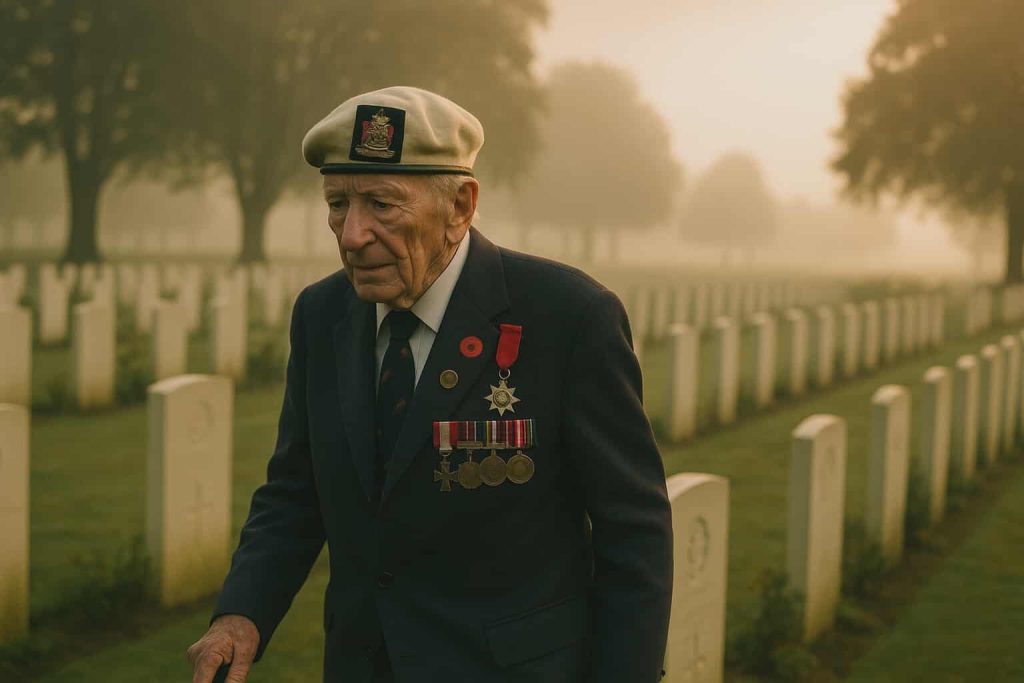
He stands there, among the headstones, the medals on his chest gleaming faintly in the autumn light. The man is 100 years old, but his eyes still carry the steel of one who has looked evil in the face and not flinched. Alec Penstone — soldier, survivor, patriot. He fought for Britain’s freedom when the world was on fire. And now, as he looks upon the land he helped to save, he feels a quiet regret: that the country he risked everything for is less free today than it was in 1945.
It is a sentence that should shame us all.
Penstone’s lament isn’t nostalgia. It’s recognition. He fought a regime that silenced dissent, imprisoned conscience, and exalted conformity — and he now sees shadows of that same spirit creeping across his homeland in the language of “safety,” “management,” and “public good.” Britain, he says, feels smaller. And he’s right.
We have become a nation afraid of our own voice. Speech is no longer free — it is negotiated. The courage that once ran through our veins now trickles through apologies and online disclaimers. Our press censors itself for fear of offence; our politicians cower behind PR advisers and focus groups. The very freedom that Penstone’s generation bled for — to think, to speak, to question — has been replaced by an anxious politeness masquerading as progress.
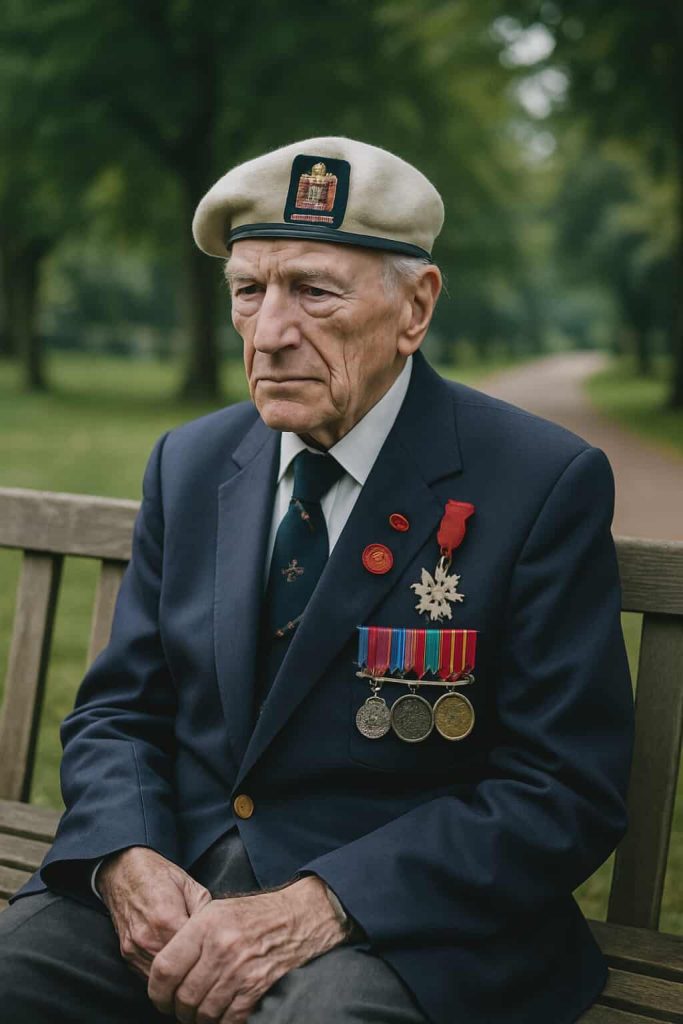
When men like Alec Penstone returned from the war, they believed they were handing the next generation a gift — a Britain of liberty and dignity. But what have we done with it? We have allowed institutions to become detached from humanity, laws from justice, and leaders from truth. The bureaucracy Penstone’s generation despised has metastasized into something far more suffocating — a culture where authority hides behind compassion and control is called care.
The tragedy is not that freedom has been taken from us by force, but that we have surrendered it by convenience.
-Jonty Hall
When Penstone says the country is less free, he doesn’t mean we are under occupation. He means that we are occupied by something far subtler: fear, apathy, conformity.
The uniforms have changed, but the orders sound eerily familiar — “Don’t question, don’t speak, trust the system.”
Yet the system no longer deserves our trust.
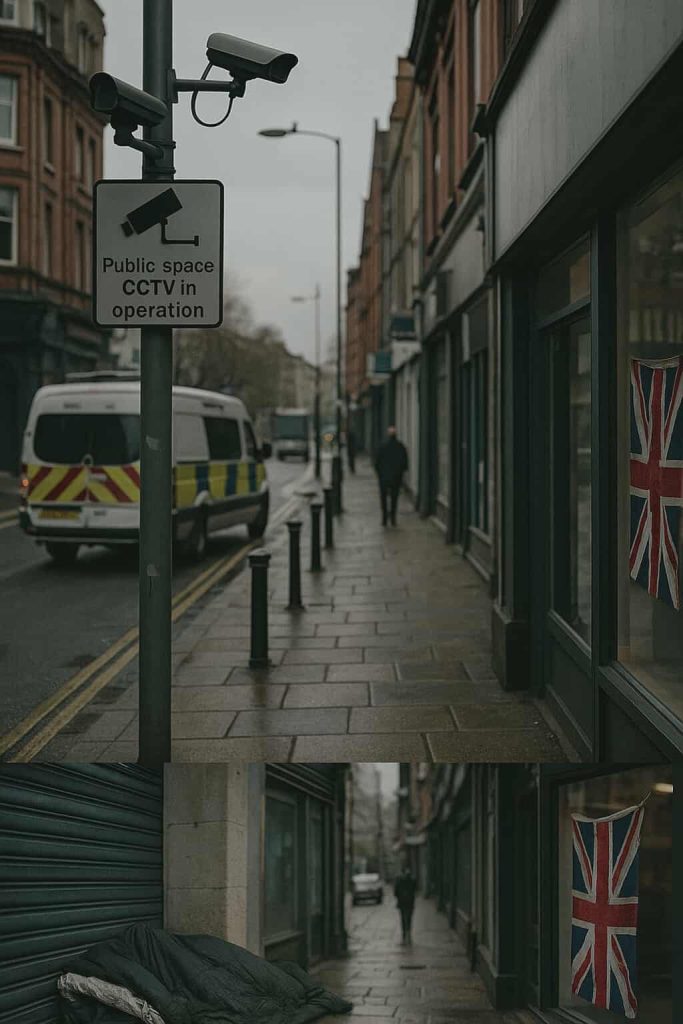
Look around. Veterans live in poverty while politicians lecture about virtue. The young are told to be “resilient” in a world built to break them. Police silence protesters faster than they arrest criminals. Our health service sedates the distressed and calls it care. The old Britain, flawed but honest, has been replaced by a managed illusion.
Alec Penstone’s voice cuts through that illusion because it comes from a time when courage was not abstract. When men and women faced real darkness, not digital shadows. And it raises a haunting question — if the men who fought at Normandy or Monte Cassino could see the country now, what would they think of the Britain they died for?
Penstone does not rage; he laments. And that is worse. Rage is youthful — lament belongs to the wise. His regret is not for himself but for us, for what we have allowed to slip away. His century of life bears witness to both victory and decay: the triumph of the free world, followed by its quiet retreat.
We can still learn from him, if we listen. Freedom, he reminds us, is not permanent. It is a discipline, not a right. It dies not with the crash of bombs, but with the silence of good people who stop speaking truth. The enemy now is not abroad — it is within our own fatigue and forgetfulness.
Every November, we bow our heads for two minutes. But remembrance is not measured in silence — it is measured in conscience. The poppy means nothing if the principles behind it are ignored.
🌷 When Alec Penstone walks through the graves of his comrades, he does not see ceremony; he sees covenant. A promise made, a promise broken, and a question for every living Briton:
What would they make of us now?
His eyes, still sharp with that soldier’s sadness, already know the answer.