
THE DALE BLUES – COMMENT & ANALYSIS
By Jonty Hall
A Nation on Edge: Why Talk of a “Civil War” Is Creeping Into Britain’s Political Mainstream

It has become one of the most alarming phrases drifting across Britain’s airwaves: “civil war.” Once the stuff of history books and dystopian fiction, the term now appears in comments threads, political speeches, and even the rhetoric of influencers and entrepreneurs far removed from Westminster’s traditional stage.
Elon Musk recently warned of Europe’s “unsustainable migration pressures,” adding that Britain in particular is approaching a point where “social cohesion is cracking under the weight of unmanaged change.” Whether one agrees with Musk or not, the world’s most prominent technologist putting Britain in his crosshairs has amplified a fear that many citizens quietly voice but few politicians are willing to confront honestly.
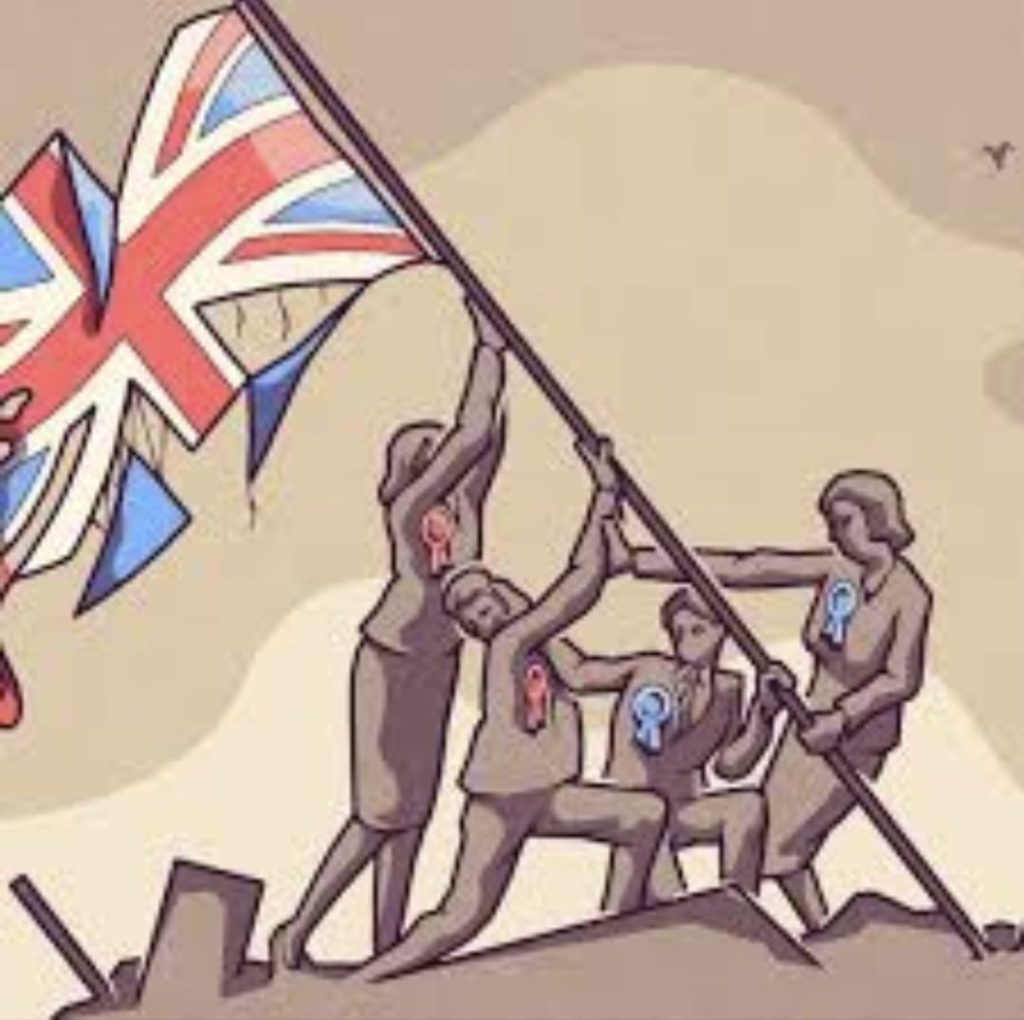
And into that vacuum steps a cast of divisive but undeniably influential figures: Nigel Farage, Tommy Robinson, Nick Griffin.
All radically different men, but all circling the same national anxiety—a United Kingdom that feels like it is losing its grip on identity, order, and control.
Farage speaks in the registers of democratic betrayal and cultural dislocation.
Robinson raises warnings about grooming scandals, policing failures, and Islamist extremism.
Griffin—long exiled to the margins—has re-emerged online, capitalising on every crack in the public’s trust.
These voices do not operate in isolation. They are amplified by a landscape in which illegal immigration has reached levels no British government can credibly explain away, and legal migration remains historically high. Add to that the sense that the Home Office can no longer perform even the basic functions of a border force, and you are left with a population wondering who, exactly, is in charge.
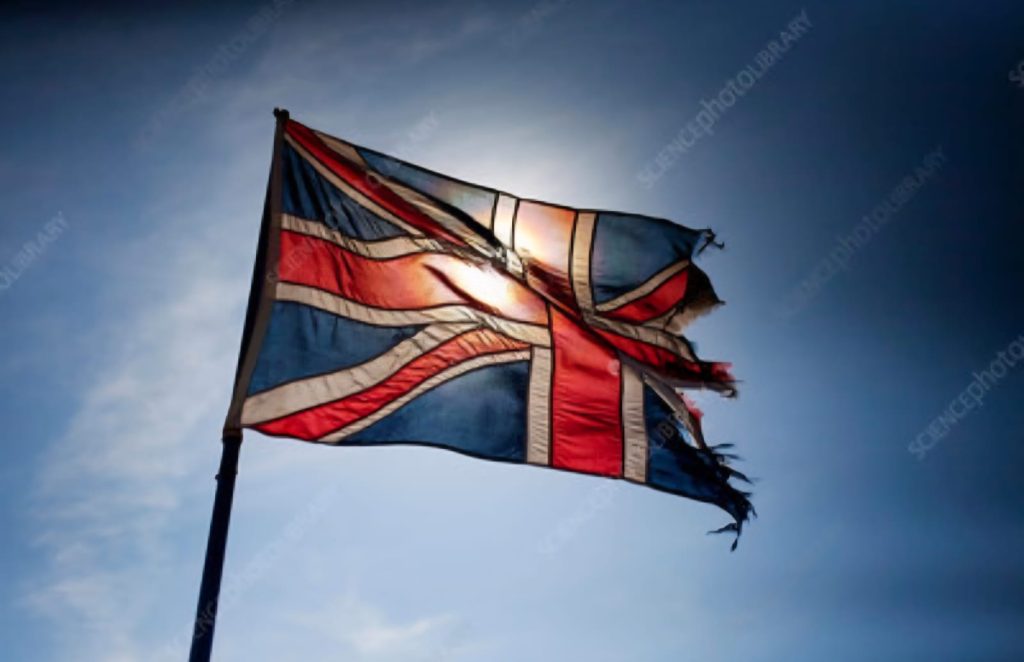
On the other side, far-left street movements, Antifa networks, and ultra-progressive activist blocs are equally ready for confrontation. For years, they have seen the UK as a staging ground for ideological struggle, confronting imagined fascists at every turn, often escalating tensions with the very communities they claim to protect.
Their opposites—hard-right counter-movements—have matched that energy blow for blow.
Between these extremes stands a British public that has no appetite for conflict, but every reason to fear one.
Where Are the Adults in the Room?
The tragedy is not that Britain holds strong opinions; it always has.
The tragedy is that:
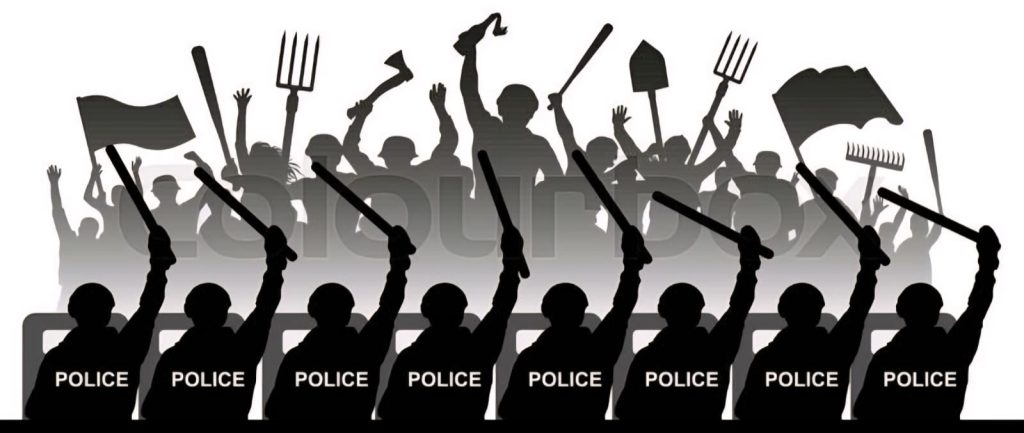
mainstream parties refuse to address mass migration honestly,
police forces appear paralysed whenever extremists of any ideology test their authority,
communities feel abandoned,
and trust in institutions is evaporating faster than any government can rebuild it.
When huge numbers of ordinary people start using the phrase “civil war”—not as a desire, not as a threat, but as a warning—something profound has already broken.
What Britain Is Really Facing
Not a civil war.
But a civil rupture—a deep national fracture running through culture, class, religion, and identity.
Farage sees it.
Robinson shouts about it.
Griffin weaponises it.
Musk projects it into the global consciousness.
And yet the political establishment continues to insist that everything is fine.

Where This Leaves the Country
If Britain is to avoid the societal breakdown its most outspoken figures keep referencing, it must:
- Reassert the rule of law—politically, culturally, and at the border.
- Call out extremism in all its forms, whether Islamist, ethnonationalist, far-left, or authoritarian.
- Rebuild trust in failing institutions, especially policing and immigration systems.
- Restore a shared sense of British identity, not through force, but through clarity, confidence, and cultural honesty.
Because a country does not fall into conflict overnight.
It erodes, step by step, when those who should lead instead look the other way.
And right now, far too many in Westminster are averting their eyes.