
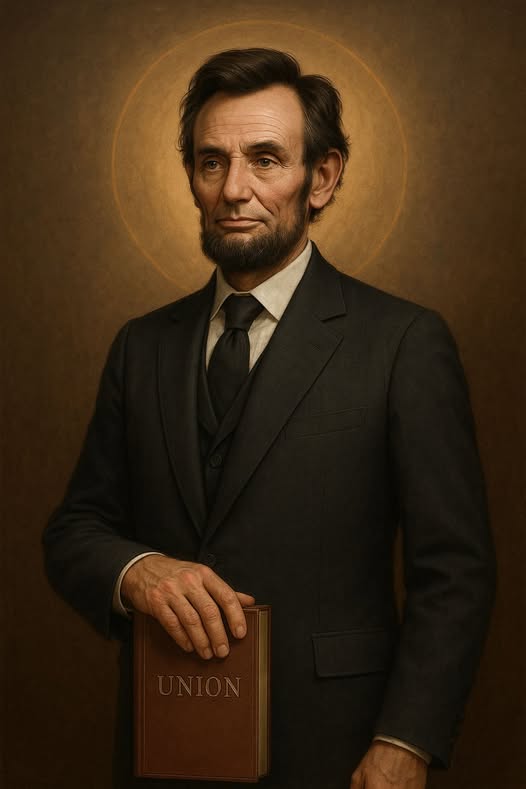
Abraham Lincoln: A President Forged in Strength of Character and Moral Health
When history reaches for its truest examples of leadership, it finds few figures who stand taller than President Abraham Lincoln. Not for his height, nor even for his immortal place in America’s Civil War, but for the inner steel of character and the rare moral health that shaped his choices.
Lincoln was not a flawless man. His life was one of hardship, self-education, political battles, and personal grief. Yet it was precisely in those struggles that he developed the patience, courage, and sense of fairness that made him a beacon. Unlike leaders who chase power for its own sake, Lincoln carried the weight of office with a humility that never masked his resolve.
Strength of character in Lincoln was not about bravado. It was about restraint. It was seen when he refused to demonise his opponents, when he placed the Union above his own reputation, and when he signed the Emancipation Proclamation knowing full well it would divide his country further before it healed. In choosing principle over popularity, Lincoln demonstrated that leadership is not about telling people what they want to hear, but about guiding them toward what they need to confront.
Moral health, too, is a quality that Lincoln lived by example. He held to the belief that every person, regardless of race or station, possessed an inherent dignity. In an era defined by division and cruelty, he argued for reconciliation, even as war consumed the nation. “With malice toward none; with charity for all” was not a mere line of rhetoric but a reflection of his moral code—a compass pointing always to the better angels of human nature.
Lincoln’s America was riven by hatred, greed, and violence, but his faith in the Union, in the possibility of equality, and in the goodness of the people he served never wavered. That is the legacy of his moral health: to see humanity not as it was, but as it might yet become.
For a fractured world today, Abraham Lincoln remains more than a figure in marble. He is a reminder that character is stronger than corruption, that moral health is sturdier than political sickness, and that true leadership is defined not by what one achieves for oneself, but by what one secures for others.
The Dale Blues salutes him not as a saint, but as a statesman—living proof that strength of character and moral health are the foundations upon which great nations are built.